Why Heavier Paper Feels More Premium
Weight is the first thing a hand notices. What gsm really measures, why two cards of the same weight can feel different, and where the extra grams are worth paying for.
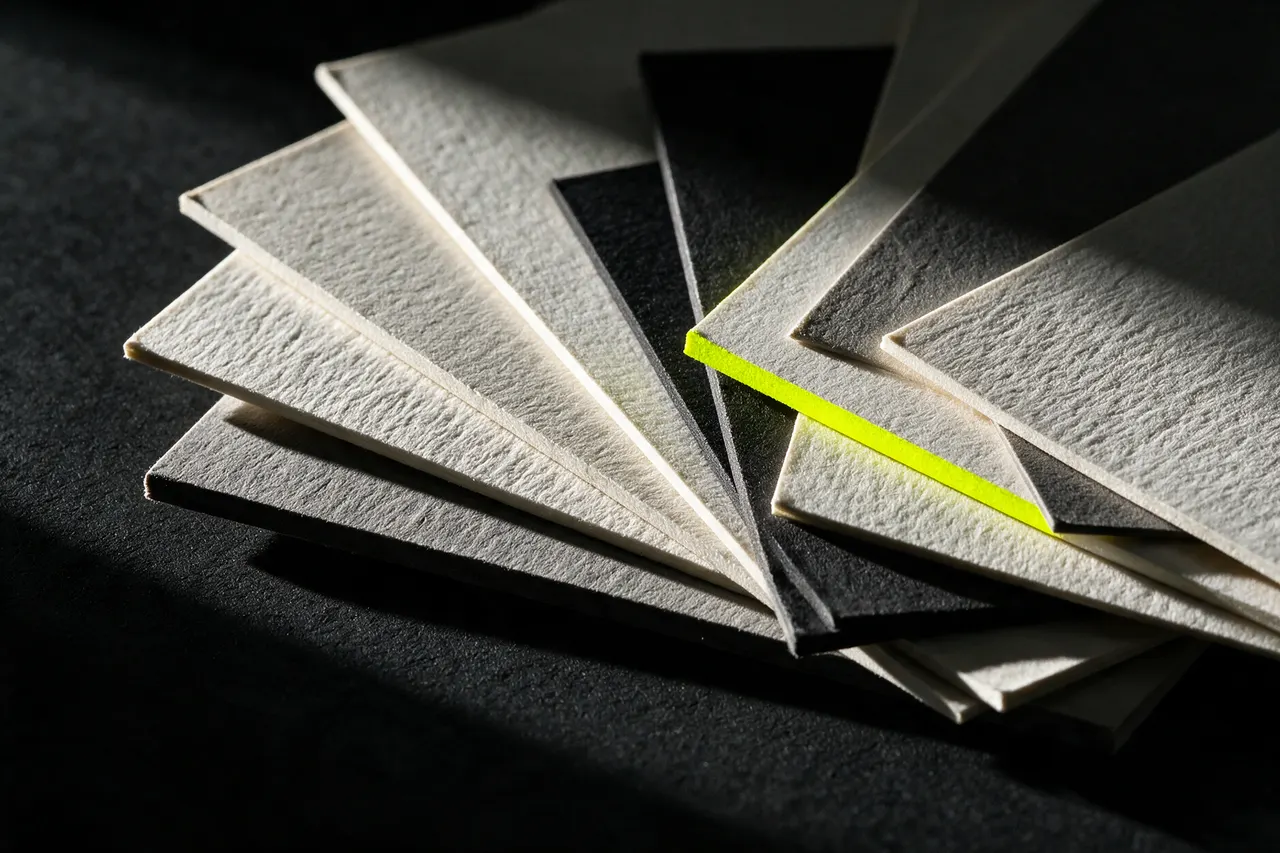
Before anyone reads a word on a business card, their fingers have already judged it. Thickness, stiffness and the way an edge meets the thumb arrive first, and they set the tone for everything after.
That is why weight sells. But “heavier” hides more than one thing, and knowing which one you are paying for is how you get a premium feel without paying for paper nobody notices.
In short
- gsm is the weight of one square metre of paper, not its thickness.
- At the same weight, uncoated paper feels thicker than coated.
- Extra weight pays off on what people hold and keep.
1What gsm measures
1.1Weight per square metre
GSM is grams per square metre: cut a sheet to exactly one metre by one metre and put it on a scale. Office paper weighs about 80 g. A good business card weighs 350 g or more.
1.2Weight is not thickness
Thickness is called caliper and is measured in microns. Most coated 350 gsm card comes out around 0.35 to 0.4 mm, but the same weight can stand thicker or thinner depending on the paper.
2Same weight, different feel
Two 300 gsm sheets can feel nothing alike. What changes is how tightly the fibres are packed, which printers call bulk.
2.1Uncoated papers stand thicker
Uncoated and cotton papers are bulky: their fibres trap air, so the sheet stands thicker and feels softer in the hand.
2.2Coated papers are denser
Coated papers are pressed smooth and dense, so the same weight is thinner but stiffer, and colour prints sharper on it.
So we talk about bulk as well as weight. If you want a card that feels thick, an uncoated 400 gsm can feel heavier than a coated 450.
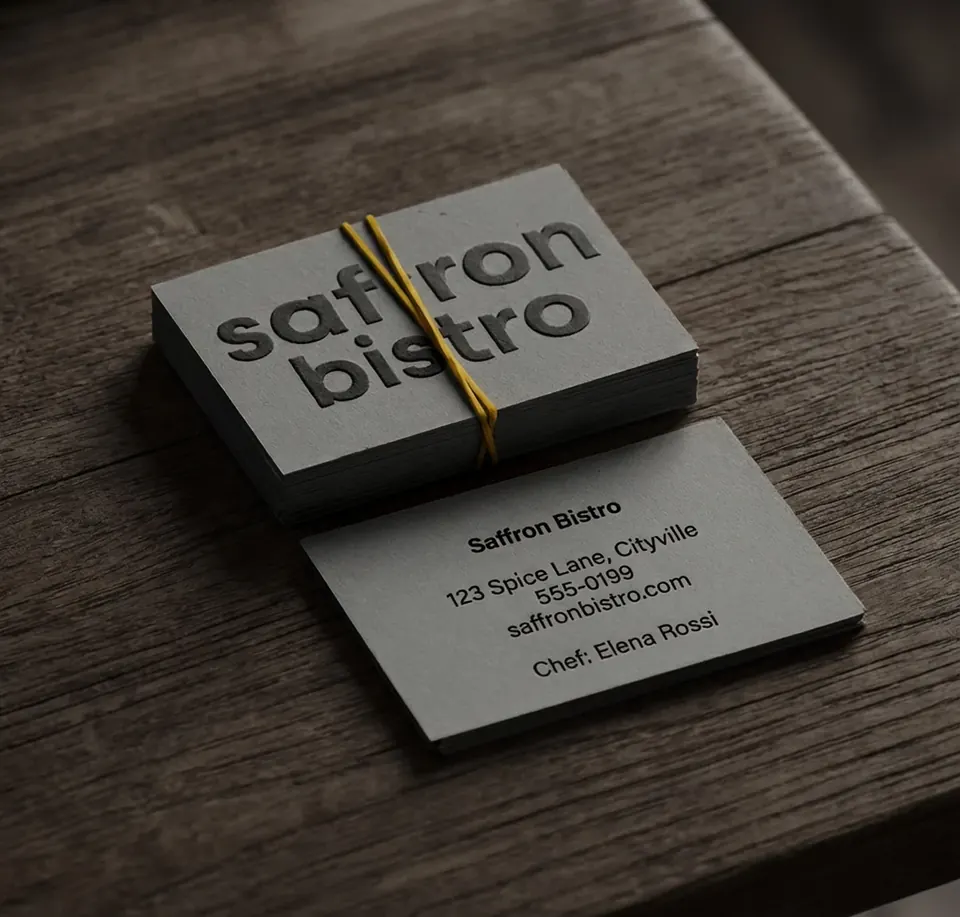
A card handed over in a meeting earns its weight. A flyer left on a counter rarely does.
3Where weight earns its cost
3.1Spend on what people keep
Put the weight where hands and memory are: the pieces people hold, keep and judge you by.
- Worth it: business cards, invitations, folders and packaging.
- Rarely worth it: flyers, inserts and anything read once and left behind.
3.2Typical weights
| Item | Typical gsm | How it feels |
|---|---|---|
| Letterhead | 100–120 | Goes through office printers |
| Flyer | 130–170 | Light, folds cleanly |
| Brochure cover | 250–300 | Firm in the hand |
| Business card | 350–450 | Stands up, snaps back |
| Premium card | 600–1000 | Rigid, takes a painted edge |
3.3A ten-second test
Hold the card by its ends and flex it gently, then let go. A good card resists the bend and snaps back flat. Tap it on a table: heavier board makes a short, solid sound.
Keep reading
- 01Print intelligence · 1 min read7 Printing Mistakes That Quietly Damage Brand Perception“Most brands weaken trust through printing choices they never realize they’re making.”Read the article →
- 02Business essentials · 1 min readBusiness Card Mistakes That Cost You Opportunities“Why small details decide whether people remember you — or forget you.”Read the article →
- 03Production · 1 min readHow to Choose the Right Printing Partner“What smart brands look for beyond price and promises.”Read the article →